Quick answer: A sewing thimble is a small protective cap worn while hand sewing or hand quilting to shield the fingertip that pushes the needle. It comes in metal, leather, and adjustable coil styles, each offering a different balance of protection and comfort.
Anyone who’s pushed a needle through several layers of fabric by hand and felt that sharp little jab in a fingertip already understands exactly why a sewing thimble exists. A sewing thimble is a small protective cap, traditionally worn on the middle finger of the hand pushing the needle, designed to shield the fingertip from repeated pressure and the occasional slip that would otherwise leave it sore, calloused, or pricked after any real stretch of hand sewing or hand quilting. It’s one of those tools that feels almost old-fashioned until you actually try hand quilting a full project without one, at which point its purpose becomes obvious very quickly. This guide covers what a sewing thimble does, the different types available, how to choose one that actually fits, and how to get comfortable using it over time. Despite feeling like a small, old-fashioned accessory, it remains a genuinely practical tool that many hand quilters wouldn’t sew a stitch without once they’ve found the right one. Bee’s Quilt Shop hears from plenty of quilters working through the adjustment period of learning to sew with a thimble for the first time.
What A Sewing Thimble Is For
A sewing thimble’s core job is protecting the fingertip that pushes the needle through fabric, a task that sounds minor until you’re several hours into hand quilting a large project and that fingertip has taken hundreds or thousands of small impacts. Without a thimble, that repeated pressure tends to leave a sore spot, and over time, a permanent callous that some hand sewists actually come to rely on instead of a thimble, though most beginners find the adjustment far more comfortable with one from the start. A thimble also improves control and precision in a subtle but real way, since a rigid cap lets you push a needle with more consistent, deliberate force compared to bare skin, which naturally flexes and gives slightly under pressure. Beyond hand quilting, thimbles come in handy for any hand-sewing task involving multiple fabric layers or particularly tough fabric, including hand-finishing a binding, sewing on buttons through thick fabric, or basting layers together by hand before machine quilting. Even simple mending, like reattaching a button or hand-tacking a hem, becomes more comfortable with a thimble on hand, especially for anyone who does this kind of repair work regularly enough for repeated needle pressure to add up.
Types Of Thimbles
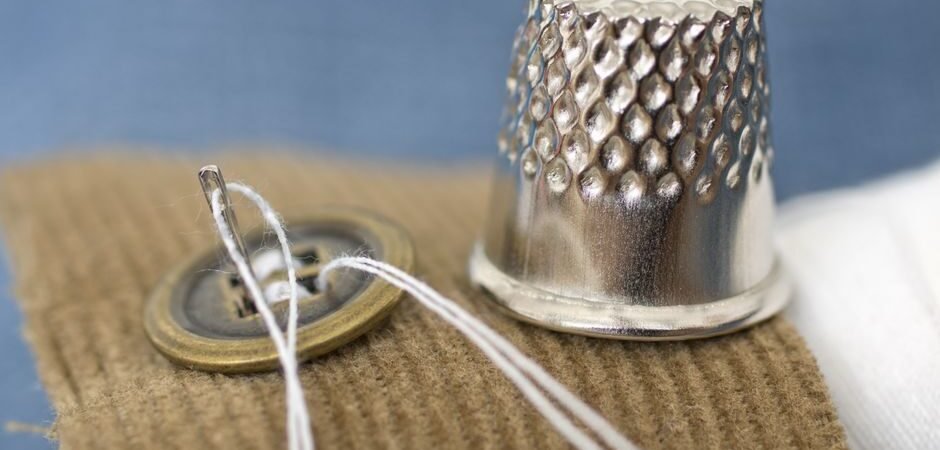
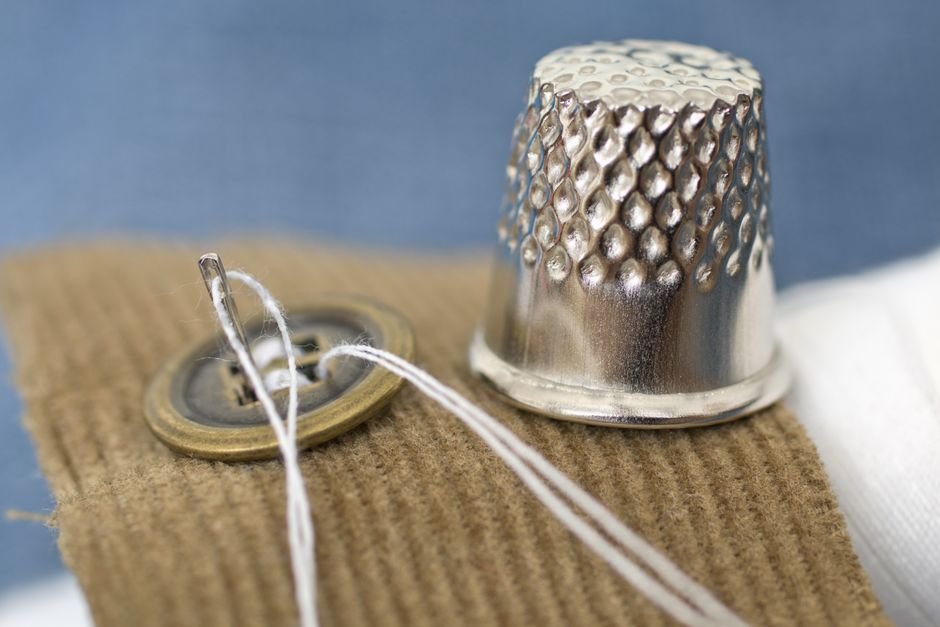
Thimbles come in a handful of common materials and styles, each with real tradeoffs worth knowing about. Metal thimbles, typically made from stainless steel, sterling silver, or brass, are the most traditional style, offering excellent needle-pushing durability and a classic look, though a poorly fitted metal thimble can feel stiff or slip around if it doesn’t match your finger size precisely. Leather thimbles wrap around the fingertip in a softer, more flexible fashion, often favored by quilters who find rigid metal thimbles uncomfortable, since leather offers some needle protection while still allowing a bit more natural finger movement and sensation. Adjustable coil thimbles, made from a coiled wire wrapped around the finger, offer a genuinely flexible, one-size-fits-most option that many quilters like specifically because it can be nudged into a comfortable fit without needing to buy multiple sizes. Beyond these three main categories, specialty thimbles exist too, including open-tip designs that leave the fingertip partially exposed for more sensation, popular among quilters who want protection without losing much tactile feedback. Rubber or silicone thimbles, often gripped rather than fully enclosing the fingertip, offer another lightweight option, particularly favored for lighter general sewing tasks where a bit of grip assistance matters more than heavy-duty needle protection.
Choosing The Right Thimble Size And Fit
Getting the right thimble size and fit makes a bigger difference than it might seem, since a thimble that’s too loose will slip around distractingly while sewing, and one that’s too tight will feel uncomfortable and restrict finger movement over a long hand-sewing session. Trying a thimble on before committing, when possible, is the most reliable way to judge fit, since sizing can vary noticeably between brands and materials even when labeled the same numeric size. A properly fitted thimble should sit snugly enough to stay in place through normal finger movement without pinching or cutting off circulation during extended wear, and it should have enough room to allow slight natural swelling that can occur during a long sewing session. Adjustable coil thimbles sidestep a lot of this sizing guesswork entirely, which is part of why many beginners start there before eventually settling on a more traditional metal or leather thimble once they know their preferred fit and finger. Measuring your finger’s circumference at the point where the thimble will sit, and comparing it against a specific brand’s published sizing chart when shopping online, is a reasonable way to narrow down options before an in-person try-on becomes possible.
Thimbles For Hand Quilting Vs General Sewing
Hand quilting and general hand sewing put slightly different demands on a thimble, and some quilters end up preferring different thimble styles for each. Hand quilting typically involves pushing a needle through several layers, a quilt top, batting, and backing, all at once, which requires more consistent force and benefits from a sturdier, typically metal thimble that can reliably handle that repeated pressure without wearing through. General hand sewing, like hemming, button attachment, or lighter mending, often involves fewer layers and less resistance, so a softer leather or open-tip thimble can feel more comfortable without sacrificing much protection for those lighter tasks. Some dedicated hand quilters use a thimble on more than one finger, adding protection to the finger receiving the needle from underneath in addition to the one pushing from above, a technique particularly common in traditional rocking-stitch hand quilting where both hands stay actively involved in every stitch.
Getting Used To Sewing With A Thimble
It’s genuinely normal for a sewing thimble to feel awkward and clumsy at first, and setting honest expectations about that adjustment period helps prevent giving up on it too soon. Most new thimble users find their early stitches slower and less precise than sewing bare-fingered, simply because the brain needs time to recalibrate how much pressure and control a rigid cap actually requires compared to direct skin contact. Many experienced hand quilters and sewists describe a genuine breakthrough moment, often after several sewing sessions rather than a single afternoon, where the thimble starts to feel like a natural extension of the finger rather than an obstacle. Practicing on a low-stakes scrap project rather than diving straight into an important piece is a reasonable way to build that comfort without the pressure of a project that has to look perfect from the very first stitch. Sticking with the same thimble consistently during this adjustment period, rather than switching styles frequently while still learning, also tends to speed up how quickly it starts to feel natural. Some quilters find it helpful to wear a thimble for short stretches during everyday tasks unrelated to sewing at first, simply to build a general comfort with the sensation of a covered fingertip before adding the additional challenge of guiding a needle.
Caring For And Storing Your Thimble
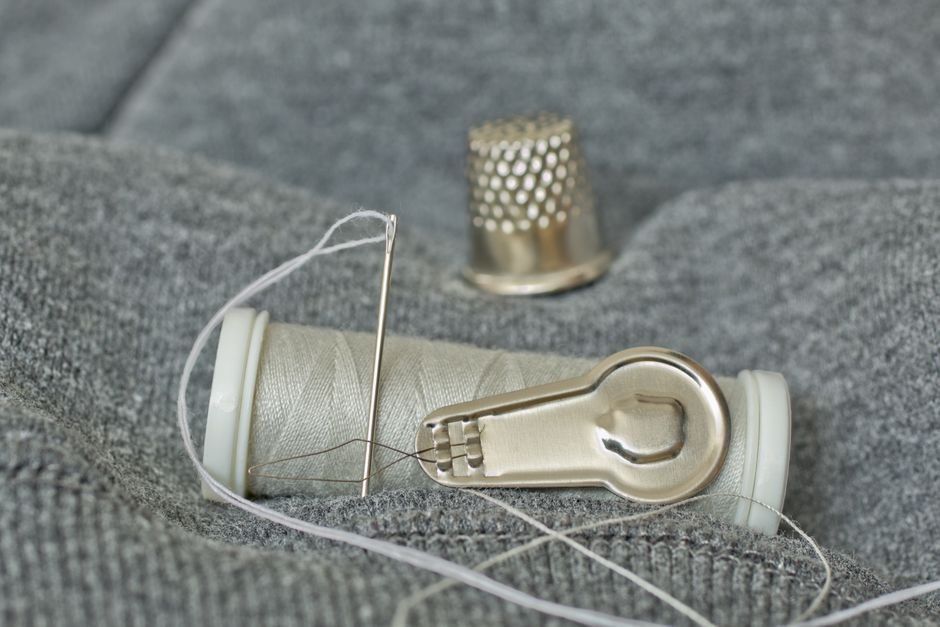
Caring for a sewing thimble is fairly minimal, but a few habits help keep it functioning well for years. Metal thimbles benefit from an occasional wipe with a soft, dry cloth to remove skin oils and prevent tarnish, particularly for sterling silver versions that are more prone to visible discoloration over time than stainless steel. Leather thimbles should be kept away from excessive moisture, since leather can stiffen, crack, or lose its comfortable give if it gets wet and dries out repeatedly without any conditioning. Storing a thimble in a small pouch, tin, or dedicated slot in a sewing box, rather than loose among other metal notions, helps prevent scratches and dents that can eventually create rough spots where a needle might catch or slip unexpectedly. A thimble that’s cared for well can genuinely last a lifetime, which is part of why many quilters treat a favorite, well-fitted thimble as a small but cherished tool worth holding onto.
Ready to protect your fingers on your next hand-sewing project? Explore our Notions and Tools library here at Bee’s Quilt Shop for more practical advice, and browse our current notions collection to see what’s in stock right now. Explore more Notions & Tools guides on the blog, or browse our Notions collection to see what is currently available.
Frequently Asked Questions
Do I really need a sewing thimble for hand quilting?
It’s not strictly required, but most quilters find hand quilting far more comfortable with one, since it protects against the repeated pressure of pushing a needle through several fabric layers. Without a thimble, that fingertip can get sore or calloused fairly quickly during a longer project.
What size thimble should I buy?
Sizing varies between brands, so trying one on before buying is ideal, though an adjustable coil thimble can be a good starting point since it sidesteps a lot of the sizing guesswork. At Bee’s Quilt Shop we often suggest beginners start with an adjustable style while they figure out their preferred fit.
Why does my thimble feel awkward and slow me down?
This is completely normal in the beginning, since it takes time for your hand to adjust to the extra layer between your finger and the needle. Most quilters find it starts to feel natural after a few sewing sessions rather than immediately.
What’s the difference between a metal and leather thimble?
Metal thimbles offer sturdier, more durable protection well suited to hand quilting through multiple layers, while leather thimbles are softer and more flexible, often preferred for lighter general hand sewing. Many sewists eventually keep both types for different tasks.
Can I wear a thimble on more than one finger?
Yes, some hand quilters use a thimble on the finger receiving the needle from underneath in addition to the one pushing from above, particularly with a traditional rocking-stitch technique. It’s a matter of personal preference and the specific hand quilting method you’re using.
This article is intended for general educational and informational purposes only, based on common quilting and sewing practices. Results vary by hand size, technique, and thimble fit, so trying a few options is always a good idea. Bee’s Quilt Shop shares this guide as part of our ongoing library of quilting and sewing resources.