
Quick answer: 100 cotton material for quilting is the long-standing standard because it presses crisply, holds a crease, has little stretch, and makes clean, accurate seams. It also wears and shrinks predictably alongside other cotton fabrics, which helps a finished quilt stay smooth, though cotton blends can still work well for some projects.
Walk into almost any quilt shop and you’ll find walls of 100 cotton material for quilting. It’s so common that many newer quilters assume it’s the only option, while others wonder whether it’s really necessary or just tradition. The truth is somewhere in between. Cotton became the standard for practical reasons that still matter today, but it isn’t the only fabric that can work.
This guide focuses on fiber content, explaining why 100% cotton became the long-standing choice, how it behaves while you sew, how to read fiber labels, and why quality varies even within cotton. We’ll look honestly at when a cotton blend is acceptable and cover prewashing and shrinkage. We’ll also address something many guides skip: how thread and batting choices pair with cotton fabric. For a look at cotton weights and quilting cotton specifically, see our guides on quilting cotton fabrics and 100% cotton fabric. At Bee’s Quilt Shop, cotton was always the backbone of the fabric wall, and the questions about why came up often.
Why 100 Cotton Material For Quilting Became The Standard
Cotton has been used in quilting for centuries, and its popularity comes down to how it behaves. It’s a natural plant fiber that takes dye well, so it’s available in an enormous range of colors and prints. It’s breathable and comfortable, which matters for quilts used on beds and laps. And it’s durable, holding up to repeated washing and years of use.
But the biggest reasons are practical ones for the quilter. Cotton presses crisply and holds a crease, which makes seams lie flat and helps blocks come out the right size. It has very little stretch along the grain, so pieces keep their shape while you cut and sew. It grips other cotton fabric slightly, so layers don’t slide around as much as slippery synthetics. Over time, quilters and fabric makers built a whole system around these qualities, from rotary cutting methods to quarter inch seam allowances, and 100% cotton became the default. Many quilting patterns and techniques assume you’re using it, which is part of why it remains so popular today.
How 100% Cotton Behaves While You Sew
When you sew with 100% cotton, it tends to do what you ask. It presses well with heat and steam, so you can set seams, press them open or to the side, and expect them to stay put. It creases cleanly, which helps when you fold fabric for cutting or press binding strips in half. Its minimal stretch along the straight grain helps pieces stay accurate, though cotton cut on the bias does stretch, so handling triangles and curves gently matters.
Cotton also makes clean seams. The needle passes through easily, stitches sit neatly, and the fabric doesn’t pucker as much as some synthetics. It doesn’t melt under a hot iron, unlike some polyester fabrics, which gives you more freedom when pressing. Because cotton has a slight grip, pieces stay aligned when you pin or match seams. All of this adds up to more accurate blocks and fewer frustrations, especially for newer quilters still building confidence with their quarter inch seam. That predictability is one of the main reasons many quilters stick with cotton.
Reading Fiber Content Labels
Reading fiber content labels helps you know what you’re buying. In most quilt shops, bolts list the fiber content on the end, along with the manufacturer, collection, and care instructions. Look for 100% cotton if that’s what you want. Fabric labeled as a blend, such as poly cotton or a specific percentage of polyester, contains synthetic fibers that change how it behaves.
When shopping online, check the product description carefully, since fiber content is usually listed there. If it isn’t, look for the manufacturer and collection name to find more information. Some quilting cottons have special finishes, like a soft hand or a slight sheen, but they’re still 100% cotton. If you’re unsure about a fabric without a label, a careful burn test is one method some quilters use, though it should only be done with great caution in a safe setting and isn’t necessary for most shoppers. Simply sticking with labeled fabric from reliable sources is the easiest approach for most quilters.
Quality Differences Within 100% Cotton
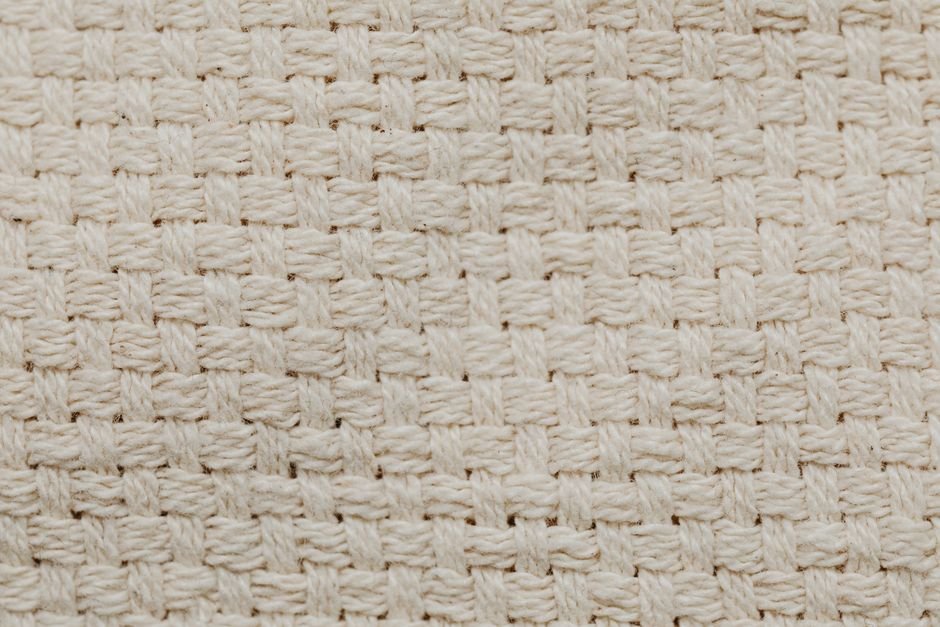
Not all 100% cotton is the same. Thread count, the number of threads per inch, affects how dense and smooth the fabric feels. Higher thread count cotton often feels smoother and can resist fraying, while lower thread count cotton may feel looser and thinner. Quilting cotton usually falls in a medium range that balances durability with ease of sewing.
Finishing matters too. Some cotton is treated to feel softer, resist wrinkles, or have a slight sheen. Print quality varies as well. Higher quality prints usually have crisp lines, even color, and dye that penetrates well, so the back of the fabric shows good color. Lower quality prints may look slightly blurry or fade faster. Fabric weight and hand also differ between manufacturers. To compare, feel the fabric, hold it up to light, and look at the print closely. Many quilters find that quilt shop quality cotton handles and wears noticeably better than some lower priced options, though personal experience and budget both play a role in what you choose.
When A Cotton Blend Is Acceptable
While 100% cotton is the standard, a cotton blend can be acceptable in some situations. Poly cotton blends are often more wrinkle-resistant and may shrink less, which some quilters appreciate for quilts that get washed often. Blends can also be less expensive or easier to find in certain colors or prints.
The tradeoffs are worth knowing. Blends may not press as crisply, can be slightly slippery, and may behave differently from cotton when washed. Mixing blends with 100% cotton in the same quilt can lead to uneven shrinkage or wear over time. If you use a blend, consider using it throughout a project, or testing how it behaves alongside cotton before committing. Blends can work well for some projects, like charity quilts, picnic blankets, or items where durability matters more than tradition. The key is understanding how a blend behaves so you can plan for it, rather than avoiding it entirely. Cotton is the standard, but it isn’t the only option that can produce a good quilt.
Pairing Thread And Batting With 100 Cotton Material For Quilting
Here’s something many fabric guides skip: cotton works best when your thread and batting are chosen to match it. Many quilters use cotton thread with cotton fabric, since they wear and age at similar rates. Some quilters prefer polyester thread for its strength and smoothness, and many high quality polyester threads work well with cotton. The main idea is to choose thread that suits the fabric weight and the type of stitching you’re doing.
Batting pairs with cotton fabric too. Cotton batting shrinks slightly with cotton fabric, creating a soft, crinkled look after washing that many quilters love. Polyester batting shrinks less, which keeps the quilt flatter. A cotton and polyester blend batting sits in between. Thinking about fabric, thread, and batting together helps your quilt behave consistently and look the way you expect after washing. Our guide to choosing batting for your quilt covers the batting side in more detail. When the whole quilt is planned together, 100 cotton material for quilting performs at its best.
Prewashing And Shrinkage With 100% Cotton
Cotton shrinks, usually a little, when it’s washed and dried for the first time. Some quilters prewash all their cotton fabric to control shrinkage before cutting, which helps the finished quilt keep its size and shape. Others skip prewashing, preferring the crisp feel of unwashed fabric and the crinkled look that appears when the finished quilt is washed.
Color bleeding is another reason some quilters prewash. Saturated colors, especially reds, dark blues, and purples, can sometimes release dye. Prewashing, testing a small piece in warm water, or using color catcher sheets when washing the finished quilt can help. If you prewash, wash similar colors together, use a gentle cycle, and press the fabric before cutting. If you don’t, be consistent across the whole quilt, since mixing prewashed and unwashed fabric can cause puckering. Either approach can work well, and many quilters develop a personal habit based on experience. What matters most is choosing a method and applying it consistently.
Cotton is the heart of quilting, and Bee’s Quilt Shop has more guides to help you choose and use it. Explore our Fabric Types and Guides section, read about quilt cotton fabric, or browse the Cotton collection for fabric ideas.
Frequently Asked Questions
Do I have to use 100% cotton for quilting?
No, but it’s the most common choice because it presses well, has little stretch, and wears evenly. Blends can work for some projects if you understand how they behave.
How can I tell if fabric is 100% cotton?
Check the end of the bolt or the product description, which usually lists fiber content. Buying labeled fabric from reliable sources is the easiest way to know what you’re getting.
Does 100% cotton fabric shrink?
Yes, cotton usually shrinks a little in the first wash. Prewashing before cutting helps control shrinkage if you want the finished quilt to keep its size.
Can I mix cotton and poly cotton in one quilt?
You can, but they may shrink and wear differently over time. Test them together first, or use the blend throughout the project for more consistent results.
What thread should I use with cotton fabric?
Many quilters use cotton thread, while others prefer quality polyester thread. Bee’s Quilt Shop always suggested choosing thread that suits your fabric weight and testing it on scraps first.
This article is intended for general educational and informational purposes only and reflects common quilting practices. Fabric quality, finishes, and shrinkage vary by manufacturer, and results vary by skill level, fabric, and equipment. Bee’s Quilt Shop shares this guide as part of our ongoing library of quilting and sewing resources.