Quick answer: Denim fabric by the yard is sturdy cotton twill, traditionally woven with indigo-dyed warp threads and white weft threads, sold in continuous lengths for sewing and quilting. It comes in weights from light shirting denim to heavy jeans denim, with options like stretch, raw, and prewashed, and most sewists prewash it to manage shrinkage and excess dye.
Denim is one of the most familiar fabrics in the world. Most of us own a pair of jeans, but denim is far more versatile than that. Buying denim fabric by the yard opens up a world of projects, from skirts, jackets, and bags to sturdy quilts, aprons, and home decor. It’s tough, timeless, and gets better with age.
This beginner’s guide explains what denim fabric is and the different weights and types you’ll find. We’ll help you figure out how much denim fabric by the yard you need, share sewing tips for denim, and explore quilting with denim. We’ll also cover something many beginner guides skip, which is choosing thread and topstitching for that classic denim look. Finally, we’ll cover prewashing and caring for denim. At Bee’s Quilt Shop, we saw plenty of creative denim projects over the years, from upcycled jean quilts to brand new denim bags, and it’s a fabric that rewards a little know-how.
What Is Denim Fabric
Denim is a sturdy cotton fabric woven in a twill weave. In a twill weave, the weft threads pass over and under multiple warp threads in a staggered pattern, creating diagonal lines on the fabric’s surface. This weave makes denim strong and durable.
Traditional denim uses indigo-dyed warp threads and white or undyed weft threads. Because the warp threads dominate the front of the fabric, the front looks blue, while the back looks lighter. This is why the inside of a pair of jeans is paler than the outside.
Indigo dye tends to sit on the surface of the cotton fibers rather than fully penetrating them. Over time and with washing, the indigo wears away, creating the faded look that denim is known for. Denim comes in many colors today, including black, white, and colored denims, but blue indigo denim remains the classic. Most denim is made from cotton, though many modern denims include a small percentage of stretch fibers, like elastane, for comfort and flexibility.
Denim Weights and Types
Denim weight is usually described in ounces per square yard. Lightweight denim, often under about 10 ounces, is soft and drapey, suitable for shirts, dresses, and lightweight skirts. Midweight denim, around 10 to 13 ounces, is versatile and common for jeans, skirts, and jackets. Heavyweight denim, above about 13 ounces, is very sturdy and used for durable jeans, workwear, and bags. Weight ranges vary by manufacturer.
Stretch denim includes a small amount of elastane or similar fiber, giving it some give. It’s comfortable for fitted garments like skinny jeans but behaves differently when sewing.
Raw denim, sometimes called dry denim, hasn’t been washed after dyeing. It’s stiff, dark, and may shrink considerably when washed. Some people prize raw denim for how it fades with wear. Washed or prewashed denim has been laundered before sale, so it’s softer and has less shrinkage.
Other types include chambray, a lightweight plain weave fabric with a denim-like look, and selvedge denim, woven on traditional shuttle looms with finished edges. Knowing these types helps you choose the right denim.
How Much Denim Fabric by the Yard Do You Need
Figuring out how much denim fabric by the yard you need starts with your pattern. Patterns list yardage requirements for different fabric widths and sizes. Denim is often wider than quilting cotton, commonly around 54 to 60 inches, though widths vary. A wider fabric may mean you need less yardage.
Always check the width of your denim before buying. If the denim is narrower than the pattern assumes, you’ll need more yardage. Pattern envelopes usually provide yardage for multiple widths, so match your fabric’s width to the right column.
Shrinkage is important to account for. Denim, especially raw or unwashed denim, can shrink when washed. Buying a little extra helps ensure you have enough after prewashing. Directional fabrics, like denim with a visible twill or a printed design, may need extra yardage so all pieces are cut in the same direction.
For quilts and bags, calculate based on your project’s measurements. Many quilters sketch their project and calculate the total area, then add extra for seams and shrinkage. Planning carefully helps avoid running short.
Sewing Tips for Denim Fabric by the Yard
Sewing denim fabric by the yard is very doable with a few adjustments. A denim or jeans needle is designed with a strong, sharp point to pierce dense fabric. Sizes like 90/14 or 100/16 are common for midweight denim, with larger sizes for heavier denim. Changing your needle regularly helps, since denim can dull needles quickly.
Thread choice matters. A strong all-purpose polyester thread works for construction seams. A slightly longer stitch length, often around 3 millimeters, helps your machine handle thick layers.
Seams in denim can be bulky. Flat-felled seams, common in jeans, are strong and enclose raw edges. Topstitched seams add strength and style. Grading seam allowances and pressing seams flat with plenty of steam reduce bulk. Some sewists use a small hammer to flatten thick seams before sewing over them, which helps the machine pass through.
When sewing over very thick areas, like belt loops or hems, go slowly. Some sewists use a hump jumper or a folded piece of fabric under the presser foot to keep it level. With patience, denim is very rewarding to sew.
Quilting with Denim
Quilting with denim creates sturdy, cozy quilts with a casual feel. Denim quilts are often made from upcycled jeans, which gives old clothing new life and adds variety in shades and wear. New denim fabric by the yard works too and offers consistent color and weight.
Simple designs work best with denim. Large squares, rectangles, and strips suit denim’s thickness, while tiny pieces can be bulky and hard to match. Rag quilts are popular, with exposed seams that fray into soft, fuzzy edges after washing.
Mixing denim with cotton is possible, but consider weight and care. Denim is much heavier than quilting cotton, so pairing them can create uneven stretch and wear. Many quilters use lighter-weight denim or chambray when mixing with cotton.
Denim quilts are heavy, so batting choice matters. Some quilters skip batting entirely, using a flannel backing for warmth. Others use a thin batting to avoid excess weight. Quilting through denim can be challenging, so a walking foot, a denim needle, and simple quilting designs help. Denim quilts make durable picnic blankets, car quilts, and cozy throws.
Choosing Thread and Topstitching for Denim
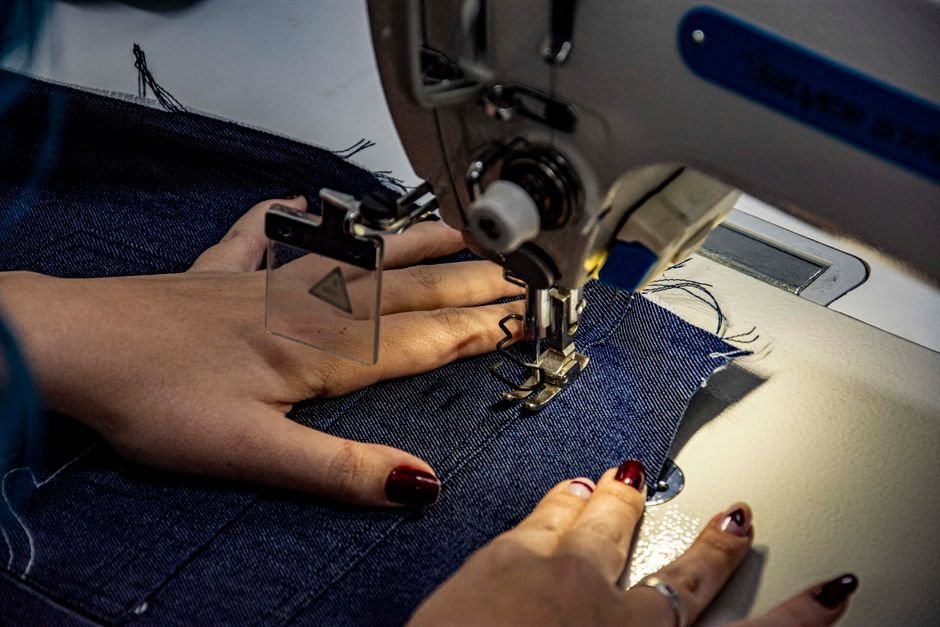
Thread and topstitching give denim projects their classic look. Topstitching thread is heavier than regular thread, making stitches stand out. Gold, orange, and copper are traditional topstitching colors on blue denim, but you can choose any color to suit your project.
Using topstitching thread in your machine takes a few adjustments. Many sewists use topstitching thread only in the needle, with regular thread in the bobbin. A topstitching needle, with a larger eye, helps the thicker thread pass smoothly. Lengthening the stitch, often to around 3 to 3.5 millimeters, gives a bold, even look.
Accuracy matters with topstitching, since every stitch is visible. Using an edgestitch foot or a guide helps keep lines straight and evenly spaced. Many jeans feature double rows of topstitching, sewn with a twin needle or two passes. Practicing on scraps before sewing your project helps you fine tune tension and stitch length. Good topstitching can make a homemade denim project look polished and professional, and it’s a satisfying detail to master.
Prewashing and Caring for Denim
Prewashing denim fabric by the yard is important, especially for raw or unwashed denim, which can shrink and release excess dye. Washing before cutting helps prevent shrinkage after your project is sewn. Many sewists wash denim in cold or warm water and dry it as they plan to care for the finished item.
Indigo denim can bleed, especially in the first few washes. Washing denim separately or with similar colors helps prevent dye transfer. Some people add a color catcher to absorb excess dye. Turning denim inside out before washing can slow fading.
Fading is part of denim’s charm, but if you want to keep it dark, wash it less often, in cold water, inside out, and air dry it. High heat can cause shrinkage and wear, so drying on low or line drying is often recommended.
Denim softens with washing and wear, developing a lived-in feel. If you prefer a softer fabric from the start, washed or prewashed denim is a good choice. Pressing denim with steam helps remove wrinkles. With proper care, denim projects can last for many years, and many get better with age.
Bee’s Quilt Shop is here to help you sew with confidence. Explore our Fabric Types and Guides section, browse the Fabric collection, and read our guide to woven fabric to learn more about twill and other weaves.
Frequently Asked Questions
What weight of denim should I buy?
It depends on your project. Lightweight denim suits shirts and dresses, midweight works for jeans and skirts, and heavyweight suits workwear and bags.
How wide is denim fabric by the yard?
Denim is often around 54 to 60 inches wide, though widths vary. Check the width before calculating yardage.
Do I need a special needle for denim?
A denim or jeans needle is recommended because it has a strong, sharp point for dense fabric. Change it often, since denim can dull needles quickly.
Should I prewash denim before sewing?
Yes, especially raw denim, which can shrink and bleed. Bee’s Quilt Shop always suggested washing denim separately the first time.
Can I mix denim and cotton in a quilt?
You can, but denim is much heavier than quilting cotton. Many quilters use lighter denim or chambray when mixing to keep the quilt balanced.
This article is intended for general educational and informational purposes only and reflects common sewing practices. Fabric weights, widths, and care needs vary by manufacturer, and results vary by skill level, fabric, and equipment. Bee’s Quilt Shop shares this guide as part of our ongoing library of quilting and sewing resources.