Quick answer: 100% cotton fabric means every fiber in the weave comes from the cotton plant with no polyester, rayon, or other fiber blended in, which matters because it shrinks and presses predictably, breathes well, and takes dye evenly compared to a blend. Quilters especially prefer it because consistent shrinkage across different fabric lines keeps piecing accurate and helps a finished quilt feed smoothly through a longarm machine. You can check cotton content at home with a burn test, or more casually with a simple touch and stretch test, since pure cotton feels matte and cool with very little stretch along the grain. In person, that same touch test works right at the fabric bolt, and asking staff at a shop like Bee’s Quilt Shop and Studio is often the fastest way to confirm what you’re buying.
A “100% cotton fabric” label sounds simple enough, but once you start comparing bolts side by side, or reading online debates about burn tests and blend percentages, it can get more confusing than it needs to be. Here at Bee’s Quilt Shop and Studio, we get this question constantly, especially from quilters who’ve been told their pattern specifically calls for 100% cotton and want to know why that matters so much. The short answer is that cotton content affects everything from how a fabric shrinks to how it takes dye to how it feeds through a longarm machine, and those differences add up fast once you’re piecing dozens of fabrics together. Let’s break down what 100% cotton fabric actually means on a label, how it compares to blends, and how you can check what you’re really buying, both at home and right at the shop counter.
What Does “100% Cotton Fabric” Actually Mean?
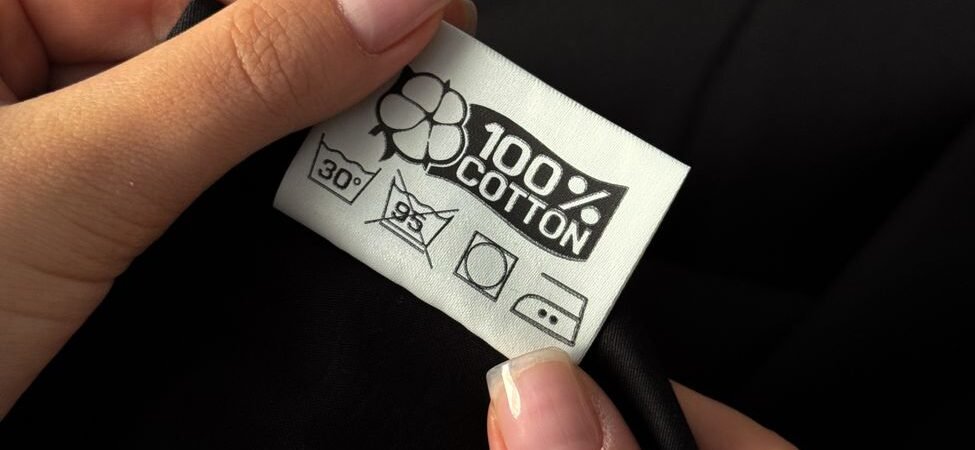
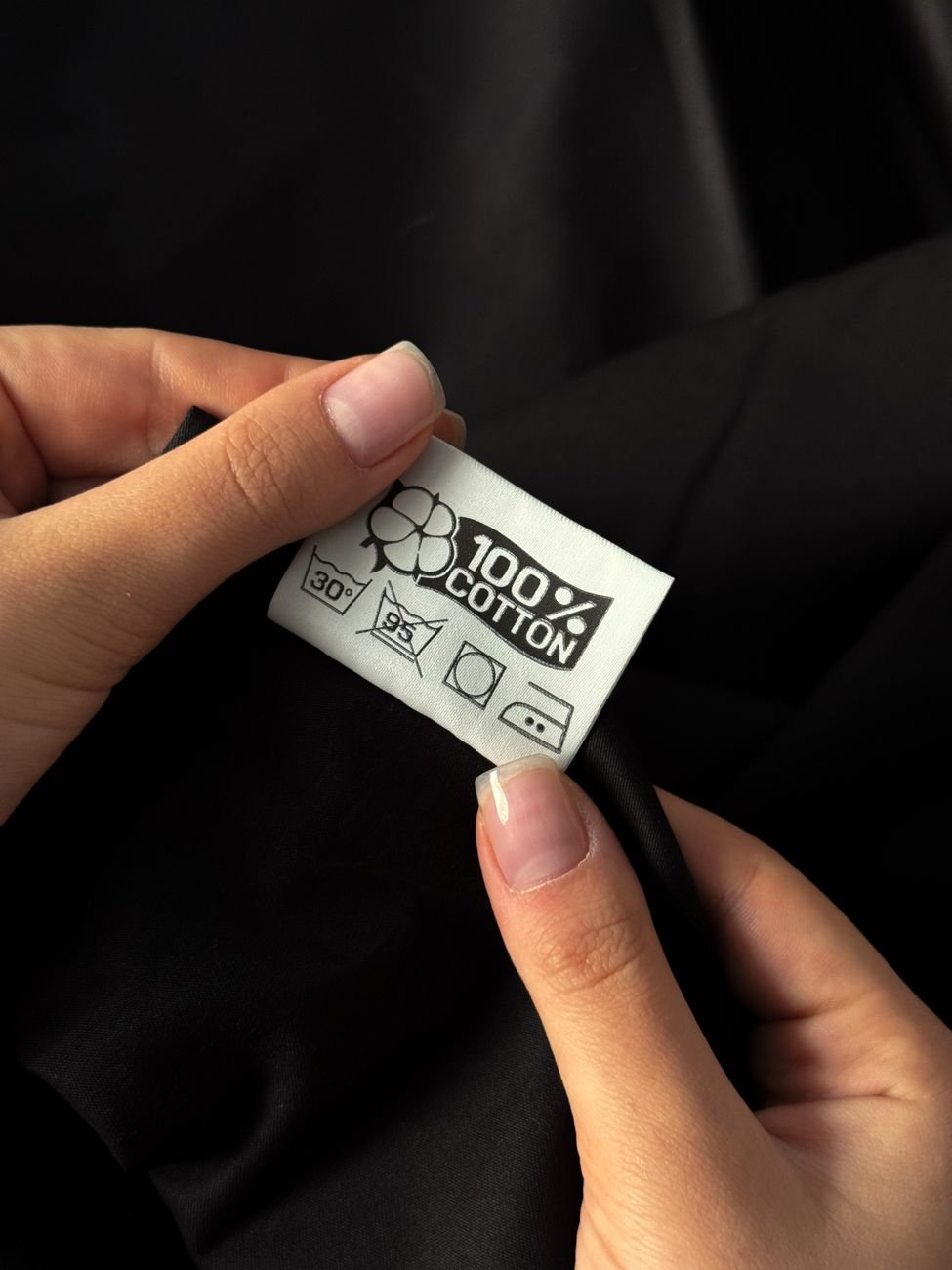
A 100% cotton fabric label means exactly what it says, every fiber in the fabric comes from the cotton plant, with no polyester, rayon, or other synthetic or blended fiber mixed in during spinning. That’s different from a fabric simply feeling like cotton or being marketed with a cotton-forward name, the percentage on the bolt end or care label is a legal labeling requirement in the United States, and it reflects the actual fiber content tested and reported by the manufacturer. Fabric can be woven entirely from cotton fibers and still vary quite a bit in quality depending on the cotton’s staple length, meaning the length of the individual fibers, since longer staple cotton generally produces a smoother, stronger, more consistent fabric than shorter staple cotton. So two bolts can both say 100% cotton fabric and still feel noticeably different from each other based on the quality of cotton used, not just the percentage claimed. Some manufacturers also specify the type of cotton used, like Pima or Egyptian cotton, both known for their longer staple length and correspondingly smoother, more durable fabric, though even standard quilting cotton without a special designation can be perfectly high quality if it’s well made.
Why 100% Cotton Fabric Matters for Comfort and Performance
100% cotton fabric breathes better than most synthetic blends, since cotton fibers are naturally absorbent and allow air to move through the weave more freely, which is a big part of why it stays comfortable against skin in warm weather. It also tends to soften with repeated washing rather than pilling or breaking down the way some synthetic blends can, and it takes dye more evenly and predictably, which matters a lot for anyone matching colors across multiple fabrics in a single project. On the performance side, cotton presses crisply and holds a crease well, which makes precise seams and points much easier to achieve than with a slippery or overly stretchy blend. None of this means blends are bad fabric, they’re just built for different priorities, and knowing what those tradeoffs are helps you pick the right one on purpose rather than by accident. Cotton also tends to be more forgiving with heat, tolerating a hot iron without the risk of melting or glazing the way some synthetic blends can, which is one more reason it remains the default choice for anyone doing a lot of pressing during a project.
How Cotton Blends Differ and What You Trade Off
Cotton-polyester blends are probably the most common you’ll run into, and they trade some of cotton’s breathability and crisp hand for added wrinkle resistance and durability, which is genuinely useful for garments that need to survive a lot of washing and wearing without ironing. Cotton-rayon blends lean toward a softer, more fluid drape than pure cotton, which can be desirable for garment sewing but tends to shift and stretch more than quilters generally want in a pieced project. The tradeoff with any blend usually comes down to predictability, a fabric with even a small percentage of synthetic fiber can shrink, press, and dye slightly differently than 100% cotton, and if you’re mixing blends with pure cotton in the same project, those small differences can show up as puckering or mismatched sheen once the project is finished and washed. Cotton-linen blends are a less common but growing option too, adding some of linen’s texture and body to cotton’s softness, though that combination tends to wrinkle more readily than either fiber alone, which is worth knowing if a crisp, wrinkle-free finish matters for your project.
At-Home Tests for Checking Cotton Content
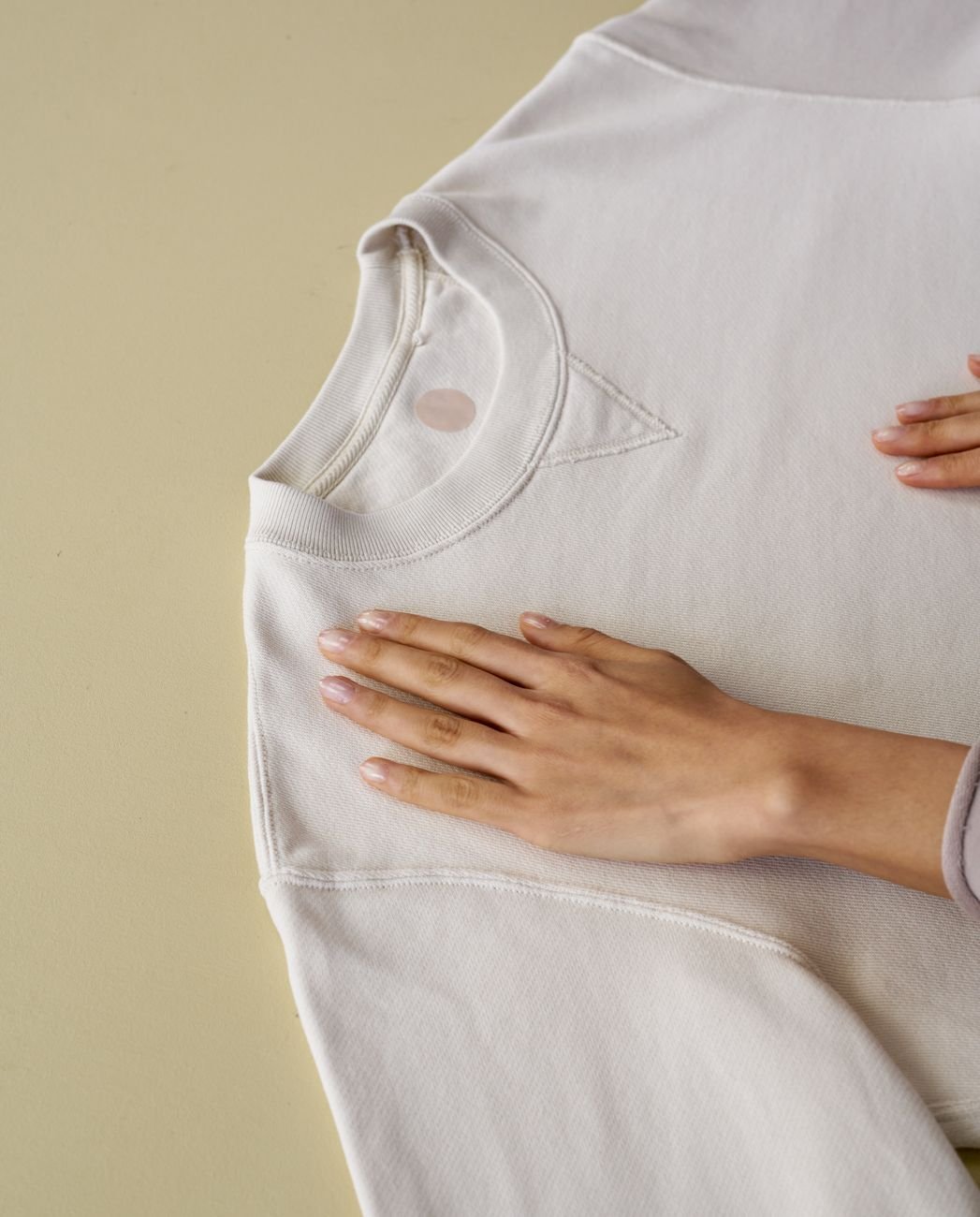
The classic burn test, carefully burning a small snipped thread and observing how it burns and smells, is the most definitive way to check cotton content at home, since cotton burns quickly with a steady flame and smells like burning paper, while synthetic fibers tend to melt, curl, and smell more like burning plastic. That said, most people will never actually do a burn test, and there are gentler options too. A simple touch test can tell you a lot, 100% cotton tends to feel slightly cool and matte rather than slick or shiny, and it wrinkles more readily when scrunched compared to a wrinkle-resistant polyester blend. A stretch test helps too, pure cotton woven fabric has very little natural stretch along the straight grain, so a fabric that stretches noticeably in that direction likely has spandex or another stretch fiber blended in, whatever the label claims. A wrinkle test is another simple option, hold a small section and crush it firmly in your hand for a few seconds, then let go, 100% cotton generally holds visible creases for a while afterward, while a wrinkle-resistant polyester blend tends to spring back smooth almost immediately.
Why Quilters Specifically Prefer 100% Cotton Fabric
This is the part general cotton-versus-blend articles almost never mention, but it’s a big deal for anyone piecing a quilt. 100% cotton fabric shrinks predictably and evenly across different fabric lines, which matters enormously when you’re combining a dozen or more different prints into one quilt top, since inconsistent shrinkage between a cotton and a blend can cause puckering or distortion after the first wash. Cotton also takes a needle cleanly and consistently, which supports the kind of piecing accuracy quilters rely on for points and seams to match up. Longarm quilters have their own reason to prefer it too, 100% cotton feeds through a longarm machine predictably, without the slight stretch or drag that a blend can introduce, which directly affects how evenly the quilting stitches sit across the finished piece. It’s not that a blend can’t be quilted, it’s that 100% cotton removes a whole category of variables that quilters would otherwise have to account for. This is also why so many quilt patterns and fabric collections are designed and tested specifically around 100% cotton, the designer can reasonably assume consistent behavior across every fabric in the line, which isn’t something they can promise if a customer substitutes in a random blend from a different source.
Quick In-Store Ways to Judge Cotton Content Without a Burn Test
You don’t need a lighter and a well-ventilated room to get a good read on a fabric’s cotton content while you’re shopping. Start with the label or bolt end, reputable fabric manufacturers reliably print accurate fiber content, so checking that first is your fastest, most reliable option. From there, the touch and stretch tests mentioned earlier work just as well standing at a fabric shop counter as they do at home, a matte, slightly cool hand with minimal stretch along the grain is a good sign you’re holding true cotton. Scrunching a corner in your fist and watching how it wrinkles is another quick check, cotton holds a crumpled look more readily than a wrinkle-resistant blend will. If you’re ever unsure, asking the staff is honestly the fastest option of all, someone working the counter at a shop like Bee’s Quilt Shop and Studio can usually tell you a fabric’s content and something about its quality just from handling it. Comparing a fabric you’re unsure about directly against a bolt you already know is 100% cotton is another handy trick, side-by-side comparison makes subtle differences in hand and sheen much easier to spot than trying to judge a single fabric in isolation.
If you’d like help confirming a fabric’s fiber content before you commit to a project, stop by Bee’s Quilt Shop and Studio at 1975 Old Moultrie Road in St. Augustine, FL, or browse our cotton fabric collection online to see our current selection of 100% cotton quilting fabrics. Our team has 75 years of combined sewing and quilting experience and we’re always happy to help you check a bolt’s content and pick fabrics that’ll play well together in your next quilt.
Frequently Asked Questions
Is “100% cotton” the same thing as “pure cotton”?
Yes, those two phrases are generally used interchangeably to mean the same thing, a fabric made entirely from cotton fibers with no synthetic or blended fibers mixed in. You might see “pure cotton” more often on international or specialty labels, while “100% cotton” is the more standard phrasing in the United States, but they both refer to the same fiber content.
Is a cotton blend ever okay to use for quilting?
It can work, especially for a wall hanging or a project that won’t see heavy use or repeated washing, but many quilters avoid mixing blends with 100% cotton in the same piece because of how differently they can shrink and press. If you do want to use a blend, testing it alongside your other fabrics for shrinkage and pressing behavior before you cut into your project is a smart extra step.
Why does cotton shrink in the first place?
Cotton fibers absorb water and swell slightly when wet, then contract a bit as they dry, which is what causes the shrinkage you see after a fabric’s first wash. This is a normal, expected property of the fiber rather than a defect, which is exactly why many quilters pre-wash their fabric or account for a small shrinkage allowance when cutting.
How do you know if a fabric label is telling the truth about its content?
Reputable fabric manufacturers and established quilt shops are generally reliable, since misrepresenting fiber content creates real problems for their own reputation. In our experience, staff at Bee’s Quilt Shop and Studio can usually confirm a fabric’s content and speak to the manufacturer’s reputation if you’re ever unsure about a specific bolt.
Is 100% cotton always better quality than a blend?
Not necessarily, quality and fiber content are two different things, a poorly made 100% cotton fabric can still be lower quality than a well-made blend. What 100% cotton does reliably offer is predictability, especially for quilting, but “better” really depends on what the fabric needs to do for your specific project.
This article is intended for general educational and informational purposes only, based on common sewing and quilting practices and the hands-on experience of our staff at Bee’s Quilt Shop and Studio. Fiber content, shrinkage, and quality can vary between manufacturers, so we recommend checking labels and testing a swatch before starting a full project.