Quick answer: Charmeuse satin is a lightweight fabric woven with the satin technique, giving it a glossy, lustrous front and a duller matte back, along with a soft, fluid drape that’s lighter and more liquid than heavier satins like duchesse. It comes in both silk and polyester versions, silk offering superior natural luster and breathability at a higher price, polyester offering a similar look for much less and with easier care. Bridal and eveningwear designers love it because its light weight and long weave floats let it fall and move with almost no resistance, especially when cut on the bias. In our experience, pattern weights instead of pins, a sharp rotary cutter, and cutting a single layer at a time make it genuinely manageable even for a first-time charmeuse project.
Charmeuse satin has a reputation for being gorgeous and genuinely difficult to sew, and both halves of that reputation are earned. It’s the fabric behind some of the most elegant bridal gowns and eveningwear you’ve ever seen, with a liquid drape and glossy shine that’s hard to match with anything else, but it’s also famously slippery, shifty, and unforgiving under a sewing machine needle. Here at Bee’s Quilt Shop and Studio, charmeuse satin is one of those fabrics customers approach with a mix of excitement and nerves, and we understand why, since the same qualities that make it beautiful are exactly what makes it tricky to handle. Let’s cover what charmeuse satin actually is, how it compares to regular satin, and how to cut and sew it successfully even if this is your first time working with something this slippery.
What Is Charmeuse Satin, Exactly?
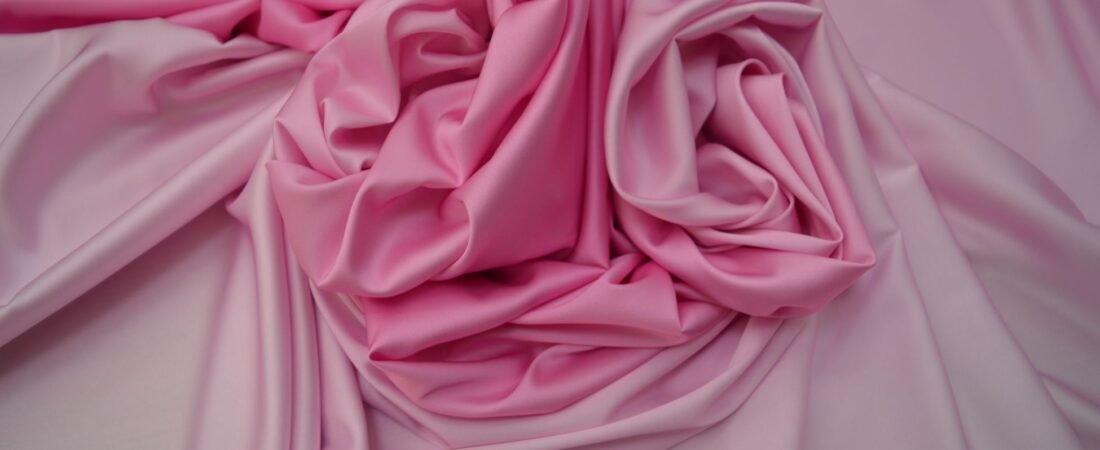
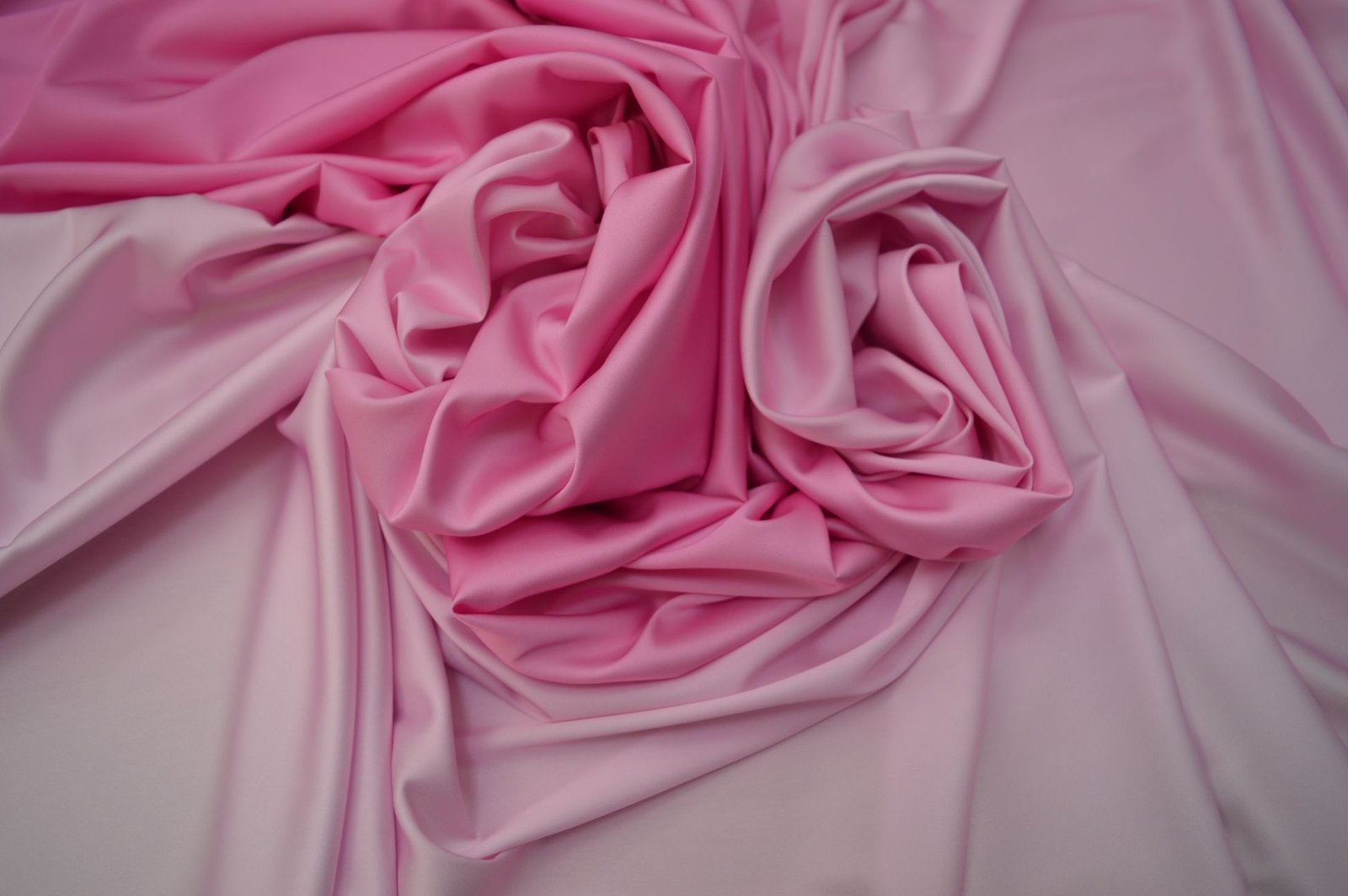
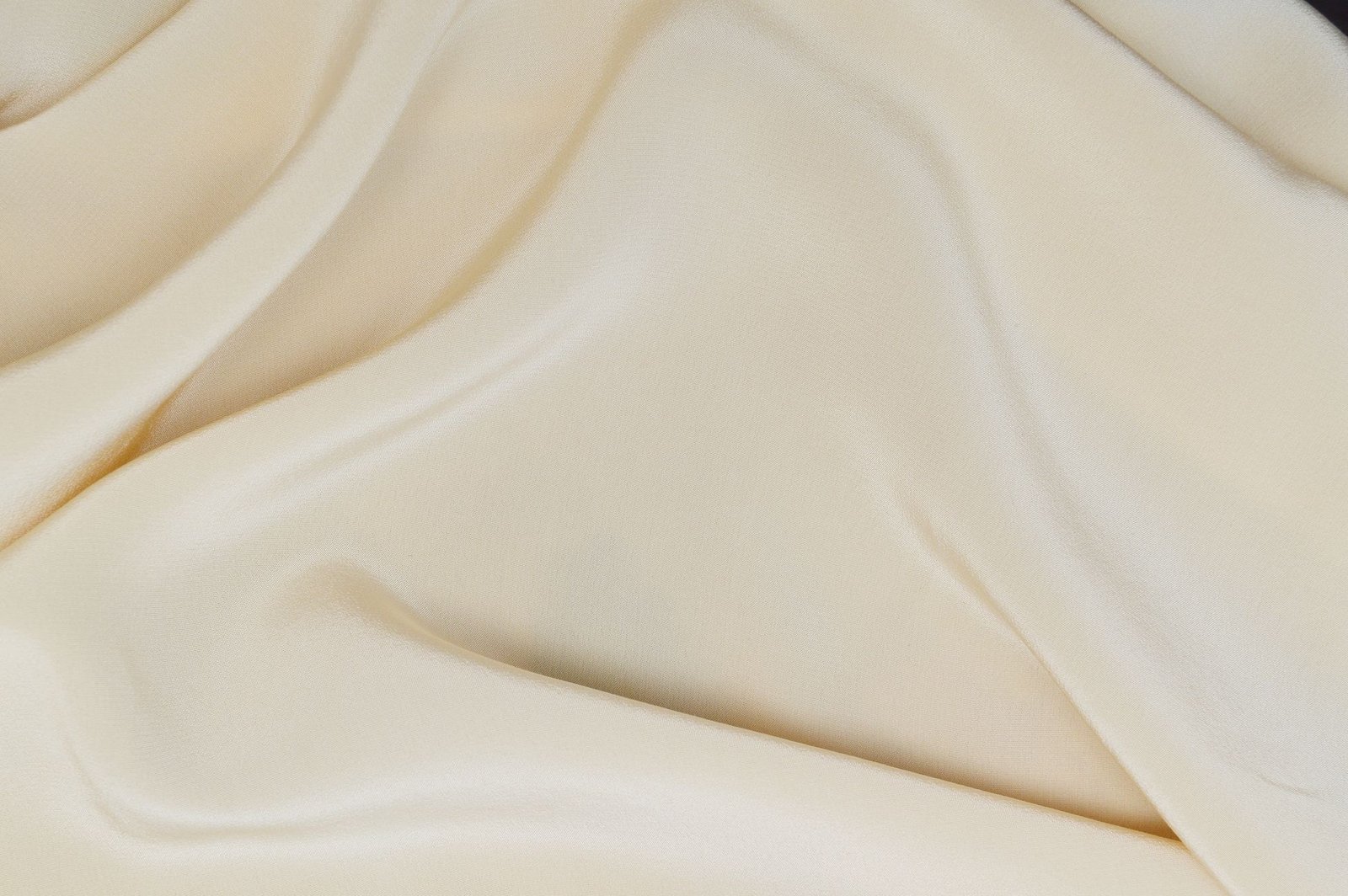
Charmeuse satin is a lightweight fabric woven using the satin weave technique, which means long floats of the warp thread pass over several weft threads before going under one, creating that glossy, reflective surface satin fabrics are known for. What sets charmeuse specifically apart from other satin fabrics is its lighter weight and softer drape, it moves and flows more like a liquid than a stiffer satin like duchesse or panne. Charmeuse also has a distinctive two-sided look, a shiny, lustrous front where the long weave floats catch the light, and a duller, matte back where the weave structure is reversed. That contrast between the glossy front and the matte back is actually a useful design feature, some patterns intentionally use charmeuse’s wrong side for contrast panels or bias-cut details where a bit less shine is desired. Charmeuse can be made from a range of fibers, though the term is most often associated with silk or a silk-like synthetic, and regardless of fiber content, it’s the satin weave itself, combined with a fine, light yarn, that gives charmeuse its signature soft hand and reflective surface.
How Charmeuse Satin Differs From Regular Satin
The word “satin” technically refers to the weave structure itself, not a specific fiber or fabric weight, so there’s a whole family of satin fabrics beyond charmeuse satin, and they differ quite a bit in hand and behavior. Duchesse satin is heavier and holds structure well, popular for full ball gowns and formal wear that needs body. Panne satin has a crushed, slightly textured shine from an extra finishing process. Charmeuse sits at the lighter, drapier end of that spectrum, which is exactly why it flows and clings the way it does rather than holding a stiff shape. If you’ve handled a heavier satin before and picked up charmeuse expecting the same experience, the difference in weight and slipperiness usually comes as a bit of a surprise. Crepe-back satin is another relative worth knowing, it has a satin face on one side and a crepe texture on the other, giving a sewist the option to use either side depending on the look a particular pattern piece calls for, something charmeuse’s more subtle front-and-back contrast doesn’t offer to the same degree.
Silk Versus Polyester Charmeuse: What’s the Difference?
Silk charmeuse is the original and still the gold standard, prized for its exceptional drape, natural luster, and breathability, along with a genuinely luxurious hand that’s hard to replicate synthetically. It comes with a correspondingly higher price tag and requires more careful handling, both in sewing and in care, since silk can water spot and needs gentler washing than a synthetic fabric. Polyester charmeuse mimics silk’s shine and drape at a much more accessible price point, and modern polyester charmeuse has gotten genuinely good, close enough that it’s sometimes difficult to tell the two apart from a short distance. The tradeoffs run the other direction too, polyester charmeuse tends to be a bit less breathable and can have a slightly more synthetic sheen up close compared to silk’s softer, more natural luster, but it’s considerably more forgiving to sew, cut, and care for. Weight is worth comparing directly too, silk charmeuse is often measured in momme weight, a unit specific to silk, with lighter momme counts draping more fluidly and heavier counts offering a bit more body and opacity, while polyester charmeuse is typically described simply by ounce weight the way most other synthetic fabrics are.
How Charmeuse Drapes (And Why Bridal Designers Love It)
Charmeuse’s drape is really the whole story behind why it’s become such a bridal and eveningwear staple. That fluid, body-skimming quality comes from the combination of its light weight and the long weave floats in the satin construction, which let the fabric fall and move with very little resistance. Bias-cut charmeuse gowns in particular take full advantage of this, cutting the fabric at a diagonal to the grain gives it even more stretch and cling, which is how so many elegant, form-fitting bridal and red carpet gowns achieve that smooth, sculptural look without any actual stretch fiber in the fabric at all. The glossy sheen also photographs beautifully under both natural and studio lighting, catching highlights in a way that flatters movement, which matters enormously for a garment that’s going to be photographed extensively, as most bridal and formal wear inevitably is. That same drape is exactly what makes charmeuse challenging to sew, the qualities that give it such beautiful movement on a hanger or a body are the same ones that make it slide and shift the moment you try to pin, cut, or feed it through a machine.
Cutting and Pinning Slippery Charmeuse
This is the part that intimidates most first-time charmeuse sewists, and it’s worth addressing directly since the fabric really does behave differently than anything a quilter is used to. Pattern weights instead of pins for cutting make an enormous difference, pins tend to shift and distort charmeuse’s slippery surface, throwing off your cut lines, while weights hold the fabric in place without disturbing it. Cutting a single layer at a time, rather than doubling the fabric the way you might with cotton, gives you much more control and accuracy, even though it takes longer since you’re essentially tracing your pattern pieces twice. A rotary cutter with a sharp blade cuts more cleanly through charmeuse than scissors, which can drag and pucker the slippery fabric as you cut. Laying the fabric on a large, stable, non-slip surface, or even sandwiching it between sheets of tissue paper the same way you’d handle a sheer, also helps keep everything from sliding around while you work. A walking foot or a machine with a built-in even-feed system helps significantly once you’re sewing too, since it keeps the top and bottom layers of slippery charmeuse moving together instead of one layer creeping ahead of the other as you stitch.
Silk or Polyester: Choosing Your First Charmeuse Project
If this is your first time working with charmeuse, polyester is generally the more forgiving place to start, it’s more affordable, so mistakes feel lower stakes, and it’s slightly less slippery and easier to press than silk, giving you a bit more room to build confidence before moving to the real thing. Silk charmeuse is worth reaching for once you’re comfortable with the fabric’s general handling quirks, particularly for a special occasion piece like a bridal gown where the fabric’s natural luster and breathability genuinely earn their higher price tag. Budget is a real factor here too, practicing your cutting and sewing technique on a less expensive polyester version before cutting into pricier silk is a smart way to avoid an expensive mistake on your first attempt with this notoriously tricky fabric. Either way, buying a little extra yardage beyond what your pattern calls for is a good idea with charmeuse, since the single-layer cutting method and the fabric’s tendency to shift mean you’re more likely to need a do-over on a pattern piece than you would with a more stable fabric. Taking your time through the whole process, rather than rushing the way you might with a forgiving quilting cotton, really is the biggest factor in a successful first charmeuse project.
If you’d like to feel the difference between silk and polyester charmeuse for yourself, stop by Bee’s Quilt Shop and Studio at 1975 Old Moultrie Road in St. Augustine, FL, or browse our fabric collection online to see what bridal satins we currently have in stock. Our team has 75 years of combined sewing and quilting experience and we’re always happy to help you pick the right charmeuse and talk through cutting technique before you start your project.
Frequently Asked Questions
Is charmeuse too hard for a beginner to sew?
It’s more challenging than quilting cotton, mostly because of how slippery and shifty it is, but it’s not impossible for a beginner with some patience. Starting with polyester charmeuse, using pattern weights instead of pins, and practicing on scraps before cutting into your actual project all make a real difference for a first attempt.
Does polyester charmeuse look cheap compared to silk?
Not necessarily, modern polyester charmeuse has improved a lot and can look quite convincing, especially from a normal viewing distance. Up close, silk generally has a softer, more natural luster, but many people genuinely can’t tell the difference without touching both fabrics side by side.
How do you keep seams from puckering on charmeuse?
A fine, sharp needle, a shorter stitch length, and a lighter presser foot pressure all help prevent puckering on charmeuse’s lightweight, slippery surface. Many sewists also recommend using tissue paper underneath the fabric while stitching, tearing it away afterward, since it stabilizes the fabric and helps the feed dogs grip more evenly. Testing your stitch settings on a folded scrap before you start the actual garment saves a lot of frustration once you’re committed to your good fabric.
Does charmeuse fray a lot?
Yes, charmeuse frays fairly readily thanks to its lightweight, loosely structured weave, so finishing seams with a French seam or a narrow zigzag is worth doing on most projects. In our experience, staff at Bee’s Quilt Shop and Studio often recommend testing your seam finish on a scrap first, since charmeuse’s fray rate can vary a bit between silk and polyester versions.
How do you press charmeuse without damaging the sheen?
A cool to medium iron setting, always with a pressing cloth between the iron and the fabric, protects charmeuse’s glossy surface from scorching or losing its shine. Pressing from the wrong, matte side whenever possible also helps protect the fabric’s shine, and testing your iron’s heat setting on a scrap first is always worth the extra minute.
This article is intended for general educational and informational purposes only, based on common sewing practices and the hands-on experience of our staff at Bee’s Quilt Shop and Studio. Fabric behavior, care requirements, and pressing tolerances can vary between silk and polyester versions and between manufacturers, so we recommend testing a scrap before starting a full project.