Quick answer: Pre quilted fabric is yardage that already has a top layer, a thin batting, and sometimes a backing stitched together in a quilted pattern, so it’s ready to cut and sew. It comes single-sided or double-faced, in cotton and microfiber, and it’s popular for bags, jackets, placemats, and baby items because it skips the layering and quilting steps.
Pre quilted fabric is a handy shortcut for sewists who love the look and feel of quilting but want to skip a few steps. It comes with its layers already stitched together, so you can cut it out and start sewing right away. It’s perfect for bags, jackets, placemats, and baby items, and it brings a cozy, padded feel to projects with much less effort.
This guide explains what pre quilted fabric is and the main types you’ll find. We’ll share project ideas, offer sewing tips for working with this thicker fabric, and compare pre quilted fabric with quilted cotton and making your own. We’ll also cover something many guides skip, which is how to reduce bulk in seams when sewing pre quilted fabric. Finally, we’ll share care tips to prevent fraying and keep your projects looking good. At Bee’s Quilt Shop, quilted fabrics were always popular for practical projects, and they’re a great option for both beginners and experienced sewists.
What Is Pre Quilted Fabric
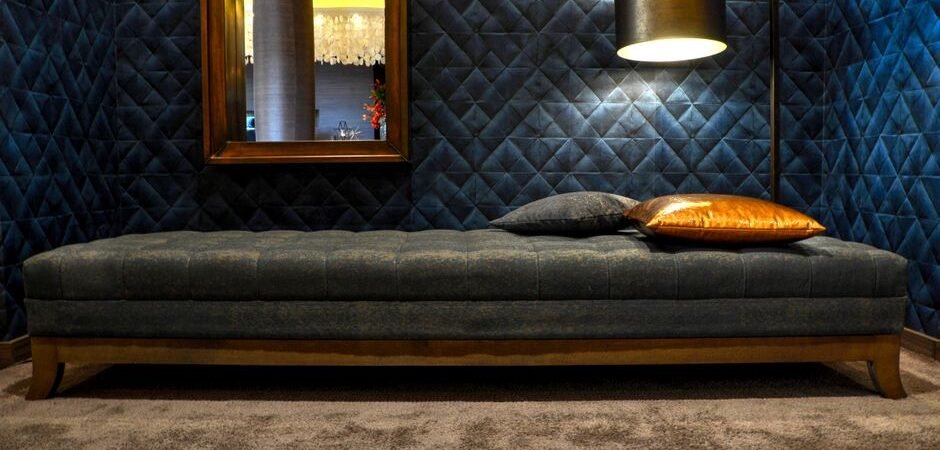
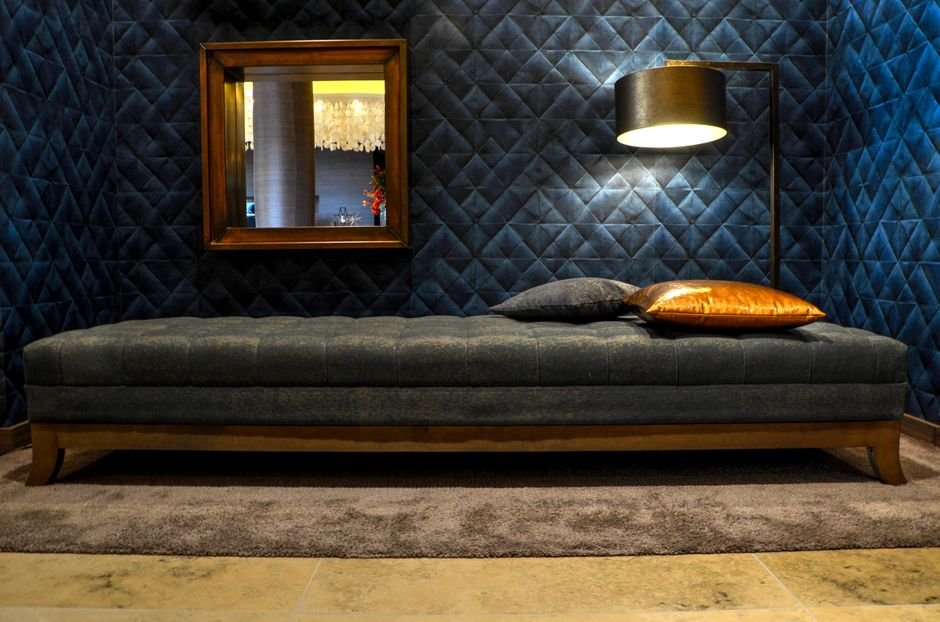
Pre quilted fabric is fabric that has been layered and stitched together before you buy it. Most pre quilted fabric has a top fabric, a layer of batting, and sometimes a backing fabric. These layers are stitched together in a quilting pattern, such as diamonds, channels, or waves, which holds them in place.
The result is a padded, textured fabric that has the look of a quilt without the work of layering and quilting it yourself. You can cut pre quilted fabric into pieces and sew it like regular fabric, though it’s thicker and requires a few adjustments.
Pre quilted fabric is usually sold by the yard. The batting layer is typically thin, often polyester, which keeps the fabric flexible and easy to sew. The quilting pattern is usually machine stitched, with evenly spaced lines. Because the layers are already secured, cut edges may shed batting fibers or fray slightly, so finishing edges is important. Pre quilted fabric is a practical choice for projects that need structure, warmth, or padding.
Types of Pre Quilted Fabric
Pre quilted fabric comes in several types. Single-sided pre quilted fabric has a decorative top fabric, a batting layer, and a plain backing, often a thin scrim or lining fabric. The back isn’t meant to be seen, so projects usually need a lining.
Double-faced pre quilted fabric has decorative fabric on both sides, often in coordinating prints or solids. It’s reversible, so the back can be part of the design. Double-faced fabrics are great for reversible bags, placemats, and blankets.
Fiber content varies. Cotton pre quilted fabric feels natural and breathable and is easy to press. Microfiber and polyester pre quilted fabrics are soft, durable, and often used for outerwear and children’s items. Some pre quilted fabrics use a satin or nylon top for a glossy look, common in jackets.
Quilting patterns vary too, from classic diamonds and channels to onion shapes, waves, and decorative designs. Prints range from solids and florals to novelty and children’s designs. Choosing the right type depends on your project, whether you need a reversible fabric, a specific fiber, or a particular look.
What to Make with Pre Quilted Fabric
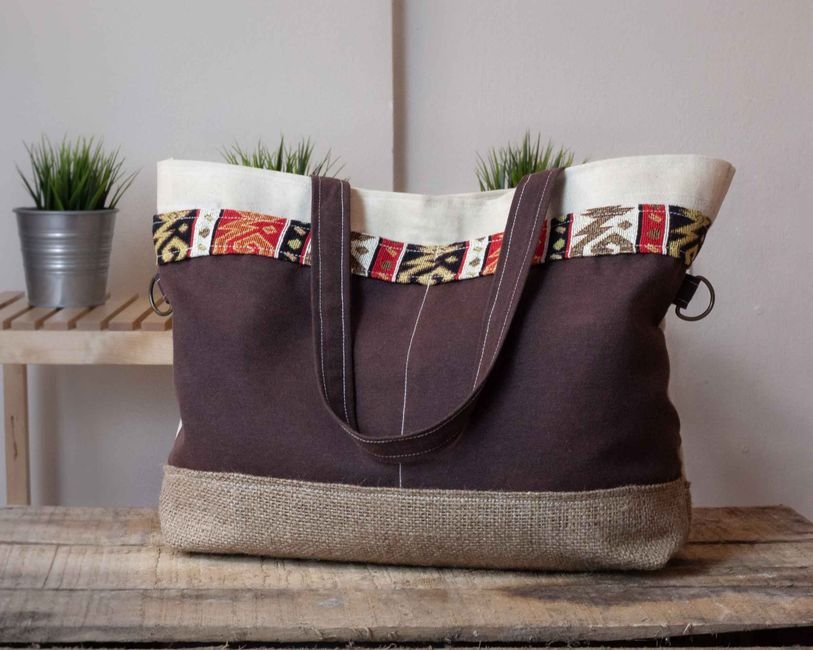
Pre quilted fabric suits many projects. Bags are one of the most popular uses. Totes, duffels, cosmetic bags, and lunch bags benefit from pre quilted fabric’s structure and padding. Our guide to the quilted duffle bag shares one project idea, and our guide to the quilted purse offers another.
Jackets and vests made from pre quilted fabric are warm and stylish, with a cozy, padded look. Quilted coats are a popular fashion trend, and pre quilted fabric makes them easier to sew.
Placemats, table runners, and coasters are quick projects that protect surfaces and add texture to a table. Baby items, like changing pads, bibs, and play mats, benefit from pre quilted fabric’s softness and padding. Other ideas include pot holders, though check that the fabric and batting are suitable for heat, as well as appliance covers, pet beds, and pillow covers. Pre quilted fabric is especially helpful when you want a quilted look without the time involved in quilting your own fabric.
Sewing Tips for Pre Quilted Fabric
Sewing pre quilted fabric is straightforward with a few adjustments. Use a needle suited to thicker fabric, such as a size 90/14 or 100/16, depending on thickness. A walking foot helps feed the layers evenly and prevents shifting.
Lengthen your stitch slightly, often to around 3 millimeters, to help the machine handle the thickness and prevent puckering. Clips are often easier than pins, since pins can distort the layers.
Finishing edges is important, since cut edges can shed batting and fray. Binding is a classic finish, giving a clean, quilt-like edge. Bias binding works well for curved edges. Serging or zigzag stitching the raw edges is another option, especially for seams inside bags or garments.
When cutting, use a rotary cutter and a sharp blade, since pre quilted fabric is thick. Cutting one layer at a time helps accuracy. Pay attention to the quilting pattern when cutting, aligning lines or diamonds consistently across pieces for a polished look. Testing your settings on a scrap first helps you find the right combination.
Pre Quilted vs Quilted Cotton vs Making Your Own
Pre quilted fabric, quilted cotton, and making your own quilted fabric each have their place. Pre quilted fabric is ready to use, saving time on layering and quilting. It’s convenient, consistent, and widely available, though choices are limited to what’s offered.
Quilted cotton is a similar term, often used for cotton pre quilted fabric. Our guide to quilted cotton explains this material in more depth.
Making your own quilted fabric means layering your choice of fabric with batting and backing, then quilting it yourself. This gives you complete control over the fabric, batting thickness, and quilting design. You can match a specific fabric, use thicker batting, or create a custom quilting pattern. The trade-off is time and effort.
Many sewists use pre quilted fabric for practical projects and quick makes, and make their own when they want a custom look. Making your own is also a great way to use a fabric that isn’t available pre quilted. Preferences vary, and both approaches create lovely results. Choosing depends on your time, project, and desired look.
Reducing Bulk in Pre Quilted Fabric Seams
Seam bulk is one of the biggest challenges with pre quilted fabric, since each seam combines multiple layers of fabric and batting. Reducing bulk helps your projects lie flat and look polished.
Trimming batting from seam allowances is a useful technique. After sewing a seam, carefully trim the batting close to the stitching within the seam allowance, leaving the fabric layers intact. This reduces thickness significantly. Some sewists remove batting from the seam allowance before sewing.
Grading seam allowances, trimming each layer to a different width, helps seams lie flat. Pressing seams open, with plenty of steam, reduces bulk too, though check that the fabric tolerates heat, especially with polyester or satin tops.
Binding seams, with a strip of fabric wrapped around the raw edges, creates a neat, durable finish inside bags and garments. For corners, clipping and trimming before turning reduces bulk. Using a lighter fabric for facings or linings, rather than pre quilted fabric, can also help. These techniques make a big difference in how finished projects look.
Caring for Pre Quilted Fabric
Caring for pre quilted fabric helps projects last. Many pre quilted fabrics can be machine washed on a gentle cycle in cool or warm water. Check the manufacturer’s care guidance, since fiber content and batting type affect care.
Drying on low heat or air drying helps prevent shrinkage and protects the batting. High heat can damage polyester batting or cause puckering. Removing items promptly from the dryer helps prevent wrinkles.
Fraying is a concern with pre quilted fabric, especially at cut edges. Finishing edges with binding, serging, or zigzag stitching before washing helps prevent fraying. Some sewists prewash pre quilted fabric before cutting, while others prefer to cut first and finish edges right away.
Pre quilted fabric can lose some loft over time with washing, but it usually stays soft and useful. Storing finished items flat or loosely folded helps prevent creases. With proper care, pre quilted projects can stay cozy and attractive for many years.
Bee’s Quilt Shop is here to help you choose and sew practical fabrics. Explore our Fabric Types and Guides section, browse the Fabric collection, and read our guide to quilted cotton for more on quilted yardage.
Frequently Asked Questions
What is pre quilted fabric?
Pre quilted fabric has a top fabric, batting, and sometimes a backing already stitched together. It’s ready to cut and sew without layering and quilting.
What can I make with pre quilted fabric?
Popular projects include bags, jackets, vests, placemats, table runners, and baby items like changing pads and play mats. It saves time on any project where you want padding and a quilted look.
Do I need a special needle for pre quilted fabric?
A larger needle, such as size 90/14 or 100/16, usually works well. A walking foot helps feed the thick layers evenly.
How do I finish the edges of pre quilted fabric?
Binding, serging, and zigzag stitching are common finishes. Bee’s Quilt Shop always suggested finishing edges promptly, since cut edges can shed batting.
Is pre quilted fabric washable?
Many are machine washable on a gentle cycle, but check the manufacturer’s care guidance. Drying on low heat helps protect the batting.
This article is intended for general educational and informational purposes only and reflects common sewing practices. Fabric types, fiber content, and care needs vary by manufacturer, and results vary by skill level, fabric, and equipment. Bee’s Quilt Shop shares this guide as part of our ongoing library of quilting and sewing resources.