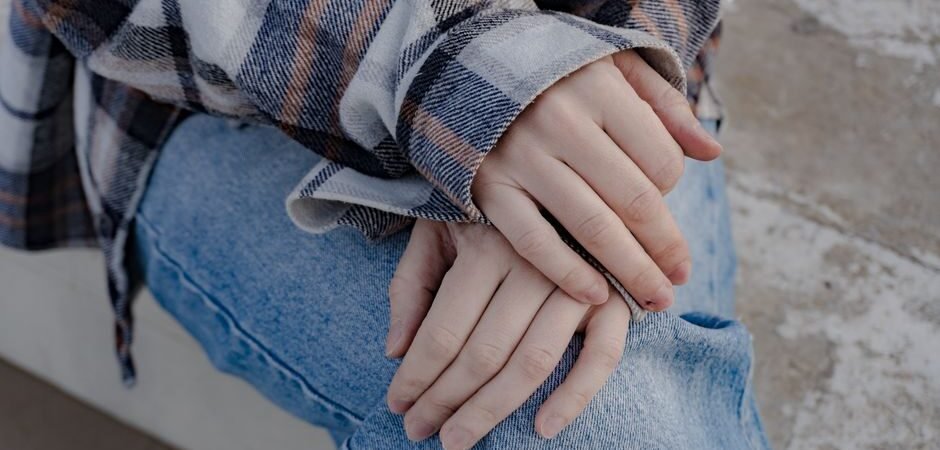
Quick answer: Flannel material is a soft, woven fabric that has been brushed on one or both sides to raise the fibers, giving it a fuzzy, warm feel. It’s most often made from cotton, though wool and blended flannels are common too, and it’s a favorite for baby quilts, pajamas, shirts, and cozy blankets.
Few fabrics feel as comforting as flannel. Whether it’s a well-loved plaid shirt, a pair of winter pajamas, or a baby quilt that gets softer with every wash, flannel material has a way of making everyday things feel cozy. Quilters and sewists love it for its warmth, its gentle drape, and the way it brings a homey feel to almost any project.
This guide explains what flannel material is and the main types you’ll find. We’ll cover weight and quality, share tips for sewing and quilting with flannel, and look at the projects it suits best. We’ll also cover something many guides gloss over, which is how flannel compares with fleece, minky, and brushed cotton, so you can choose the right soft fabric for each project. Finally, we’ll share care tips to keep flannel soft and reduce pilling. At Bee’s Quilt Shop, flannel was always a seasonal favorite, and it’s a fabric many quilters reach for again and again. For a deeper look at fibers, our guide on what flannel is made of is a great companion.
What Is Flannel Material
Flannel material is a woven fabric that has been brushed to raise the fibers on the surface. This process, called napping, creates a soft, slightly fuzzy texture that traps air and feels warm against the skin. Flannel can be brushed on one side, called single napped, or on both sides, called double napped.
The base fabric is usually a plain weave or twill weave. Plain weave flannel is common in quilting cotton flannels, while twill weave flannel, with its subtle diagonal lines, is often used for shirts and heavier garments. The weave affects drape and durability, and the brushing affects softness.
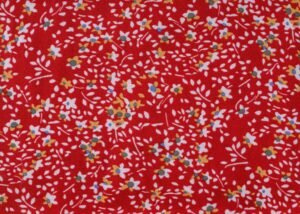
Flannel was historically made from wool, and wool flannel is still used for suits, trousers, and coats. Today, cotton flannel is the most common type for quilting and home sewing. It’s soft, breathable, and easy to care for. Flannel comes in solids, plaids, checks, and printed designs, from classic buffalo checks to playful children’s prints. Its combination of softness and warmth makes it a go-to fabric for cool weather projects.
Types of Flannel Material
Cotton flannel is the most popular type of flannel material for home sewing and quilting. It’s soft, breathable, and easy to wash. Quilting-weight cotton flannel is designed to work well in quilts and comes in a wide range of prints and solids.
Wool flannel is a classic fabric for tailored garments like suits, skirts, and trousers. It’s warm, drapes beautifully, and has a refined, slightly fuzzy surface. Wool flannel usually needs more careful laundering, often dry cleaning.
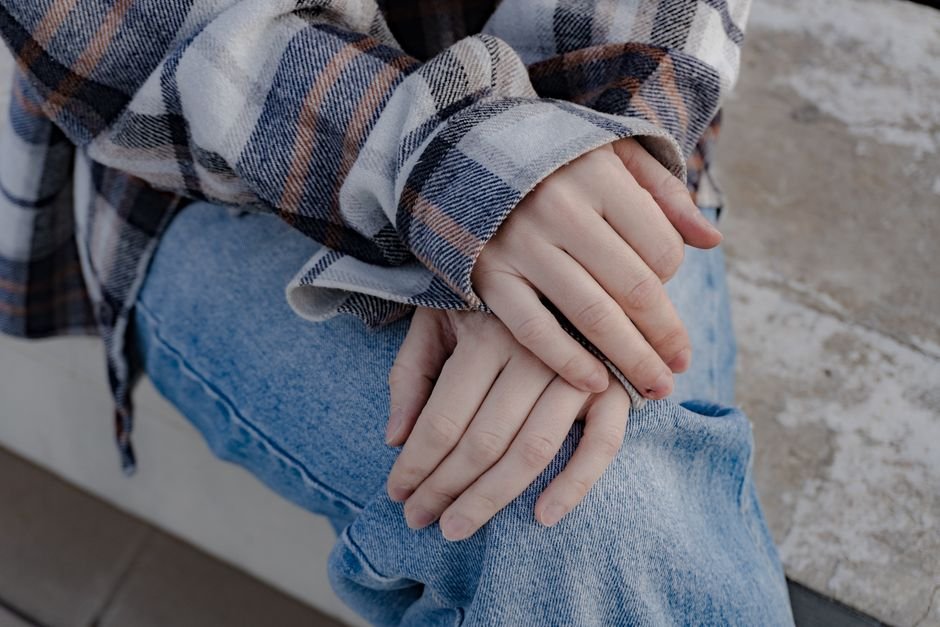
Blended flannels combine cotton or wool with synthetic fibers like polyester. Blends can reduce shrinkage and wrinkling and may be more affordable, though they can pill more easily and feel less breathable. Plaid flannel is perhaps the most iconic style, with yarn-dyed or printed checks in every color combination. Yarn-dyed plaids, where the threads are dyed before weaving, have color on both sides and tend to look richer. Solid flannel is a versatile choice for backing quilts, lining garments, and pairing with prints. Printed flannels feature everything from florals to animals and are popular for children’s projects.
Flannel Weight and Quality
Flannel weight is often described in ounces per square yard. Lighter flannels are soft and drapey, suitable for pajamas and baby items. Heavier flannels, sometimes called heavyweight or shirting flannel, are thicker and warmer, often used for shirts, jackets, and blankets. Weights vary by manufacturer, so comparing listings helps.
Quality is worth considering. Higher quality flannel tends to have a dense weave and an even nap, which helps it resist pilling and hold up to washing. Lower quality flannel may feel soft at first but can pill, thin, or lose its nap more quickly.
A few general indicators can help you judge quality. Hold the fabric up to the light. A tight, even weave lets less light through. Feel the surface. A dense, even nap feels plush rather than thin. Check the fiber content, since 100 percent cotton flannel is often more breathable and less prone to pilling than some blends. Preferences vary, and many quilters find that a mid-weight, tightly woven cotton flannel offers a good balance of softness, durability, and ease of sewing.
Sewing and Quilting with Flannel Material
Prewashing is especially important with flannel material. Flannel tends to shrink more than regular quilting cotton, sometimes noticeably, and shrinkage can vary between prints. Many quilters prewash flannel, sometimes twice, before cutting, so shrinkage happens before the fabric is sewn. Washing in warm water and drying on a regular setting helps preshrink it.
Flannel can stretch and shift as you sew. The brushed surface makes layers cling, but it also means fabric can distort with handling. Using starch or a starch alternative before cutting can add body and help pieces stay accurate. Cutting carefully along the grain and handling pieces gently helps too.
When piecing, many quilters use a slightly larger seam allowance with flannel, or use simple designs with larger pieces, since flannel’s bulk can make tiny pieces hard to match. A walking foot helps feed layers evenly. Flannel also produces lint, so cleaning your machine’s bobbin area more often than usual is a good habit. Pressing seams open can reduce bulk. With these tips, flannel is very rewarding to sew.
Best Projects for Flannel Material
Flannel material shines in projects where softness and warmth matter. Baby quilts are a classic choice, since flannel is gentle against the skin and gets softer with each wash. Many quilters back baby quilts with flannel for an extra cozy feel.
Pajamas and loungewear are another popular use. Flannel pajama pants are a beginner-friendly sewing project, and flannel nightgowns and robes are cozy for winter. Shirts are a favorite too, especially in plaid flannel. Shirting-weight flannel has enough body for collars and cuffs.
Blankets and throws made from flannel are warm and comforting. A simple two-layer flannel blanket, or a rag quilt with exposed, frayed seams, is quick and satisfying. Rag quilts are especially well suited to flannel, since the fabric frays into soft, fluffy edges after washing. Other ideas include burp cloths, receiving blankets, scarves, pillowcases, and pet beds. Flannel is also great for quilt backing, adding warmth to quilts made with regular cotton. With so many uses, flannel is a fabric worth keeping in your stash.
Flannel Material vs Fleece, Minky, and Brushed Cotton
Flannel is one of several soft fabrics, and knowing how it compares helps you choose the right one. Fleece is a knit fabric, usually made from polyester, with a soft, fuzzy surface on both sides. It’s very warm, doesn’t fray, and is easy to sew, but it’s less breathable than cotton flannel and can feel synthetic.
Minky is a plush polyester knit with a short, velvety pile. It’s extremely soft and popular for baby blankets and quilt backs, but it stretches and sheds when cut, making it trickier to sew than flannel. Our guide to minky material covers it in more detail.
Brushed cotton is similar to flannel but usually more lightly brushed, giving a softer feel than regular cotton without the thickness of flannel. It’s a good choice for shirts and bedding when you want softness without much warmth.
Cotton flannel stands out for its breathability, natural fiber content, and the way it softens with washing. It’s warm without being overly hot, which makes it versatile. Choosing between these fabrics depends on your project, your sewing comfort, and how you want the finished piece to feel.
Caring for Flannel Material
Caring for flannel material helps it stay soft and last longer. Many people wash flannel in cool or warm water on a gentle cycle with a mild detergent. Washing flannel items inside out can reduce friction on the surface and help prevent pilling.
Drying on low heat is generally recommended, since high heat can cause additional shrinkage and wear on the fibers. Removing flannel from the dryer promptly helps prevent wrinkles. Some people line dry flannel, then give it a quick tumble on low to soften it.
Pilling, those small balls of fiber that form on the surface, is a common concern with flannel. Choosing high-quality flannel, washing gently, and avoiding washing flannel with rough items like jeans or towels can reduce pilling. If pills do form, a fabric shaver can remove them gently. Avoid fabric softeners if you notice they affect absorbency or leave residue, though preferences vary. With gentle care, flannel often becomes softer over time, which is one of its most beloved qualities.
Bee’s Quilt Shop is here to help you choose and sew cozy fabrics. Explore our Fabric Types and Guides section, browse the Fabric collection, and read our guide to white flannel for more ideas on using this soft fabric.
Frequently Asked Questions
What is flannel material made of?
Flannel is most often made from cotton, though wool and blended flannels are also common. Its softness comes from brushing, which raises the fibers on the surface.
Does flannel shrink when washed?
Yes, flannel often shrinks more than regular quilting cotton. Many quilters prewash it, sometimes twice, before cutting.
Is flannel good for quilting?
Flannel is great for cozy quilts, baby quilts, rag quilts, and quilt backing. Larger pieces and simple designs usually work best because of its bulk.
How do I keep flannel from pilling?
Choose good quality flannel, wash it gently inside out, and avoid washing it with rough fabrics. A fabric shaver can remove any pills that form.
What is the difference between flannel and fleece?
Flannel is a woven fabric, usually cotton, that’s been brushed for softness, while fleece is a polyester knit. Bee’s Quilt Shop often noted that flannel breathes better, while fleece is warmer and doesn’t fray.
This article is intended for general educational and informational purposes only and reflects common sewing and quilting practices. Fabric weights, fiber blends, and care needs vary by manufacturer, and results vary by skill level, fabric, and equipment. Bee’s Quilt Shop shares this guide as part of our ongoing library of quilting and sewing resources.